Obesity Medicine in Aventura, Florida
Obesity is a complex, chronic health condition influenced by multiple factors, including genetics, metabolism, hormones, medications, nutrition, lifestyle, and environmental influences. Managing obesity often requires more than traditional dieting or exercise programs.
At Dr. Amir’s Weight Loss & Metabolism Center in Aventura, Florida, obesity medicine focuses on understanding the individual factors that influence weight and developing a personalized medical approach to treatment.
Dr. Rotem Amir, a board-certified obesity medicine physician, combines medical evaluation, individualized treatment planning, nutrition guidance, body composition analysis, and ongoing monitoring to help patients manage their weight and improve their overall health.
Whether you have struggled with weight management for years, experienced repeated weight regain, or have health concerns associated with excess weight, physician-guided obesity care can help you explore appropriate treatment options.
What Is Obesity Medicine?
Obesity medicine is a medical specialty focused on the prevention, evaluation, and treatment of obesity and related health concerns.
Unlike conventional weight-loss programs that may focus primarily on calorie restriction and physical activity, obesity medicine considers the biological, medical, behavioral, and environmental factors that contribute to weight gain and make weight management challenging.
An obesity medicine physician evaluates each patient’s health history, weight patterns, lifestyle, and individual circumstances to develop an appropriate treatment strategy.
Depending on the patient’s needs, obesity medicine may incorporate:
- Comprehensive medical evaluation and weight history
- Assessment of metabolic health and relevant medical conditions
- Body composition analysis
- Personalized nutrition and dietary recommendations
- Medically supervised meal replacement programs
- Prescription obesity medications when clinically appropriate
- Lifestyle and behavioral interventions
- Ongoing progress monitoring and weight maintenance planning
The objective is to provide a medically informed approach to managing obesity while supporting better overall health and sustainable lifestyle changes.
Why Work With an Obesity Medicine Physician?
Obesity is not simply a matter of willpower. Weight regulation is influenced by complex interactions between biology, genetics, hormones, medications, behavior, and the surrounding environment.
An obesity medicine physician understands these contributing factors and can help identify treatment options based on individual medical needs.
Understanding the Factors Behind Weight Gain
Weight gain can have multiple contributing factors. These may include:
- Family history and genetic influences
- Hormonal and metabolic factors
- Certain medical conditions
- Medications that may affect body weight
- Eating patterns and nutritional habits
- Physical activity and lifestyle
- Age-related changes
- Pregnancy and other life events
Understanding these factors can help guide a more appropriate and individualized treatment plan.
Personalized Medical Treatment
Every patient has a different medical history, health profile, and weight management challenge.
Dr. Amir evaluates each patient’s circumstances before recommending a treatment strategy. Rather than following a standard program, recommendations are tailored to individual needs and adjusted according to progress and clinical response.
Focus on Metabolic Health
Obesity can be associated with several metabolic and cardiovascular health concerns. Medical evaluation helps identify relevant risk factors and determine whether additional assessment or management is appropriate.
The goal is to look beyond body weight and consider the patient’s overall health.
Body Composition and Lean Muscle Preservation
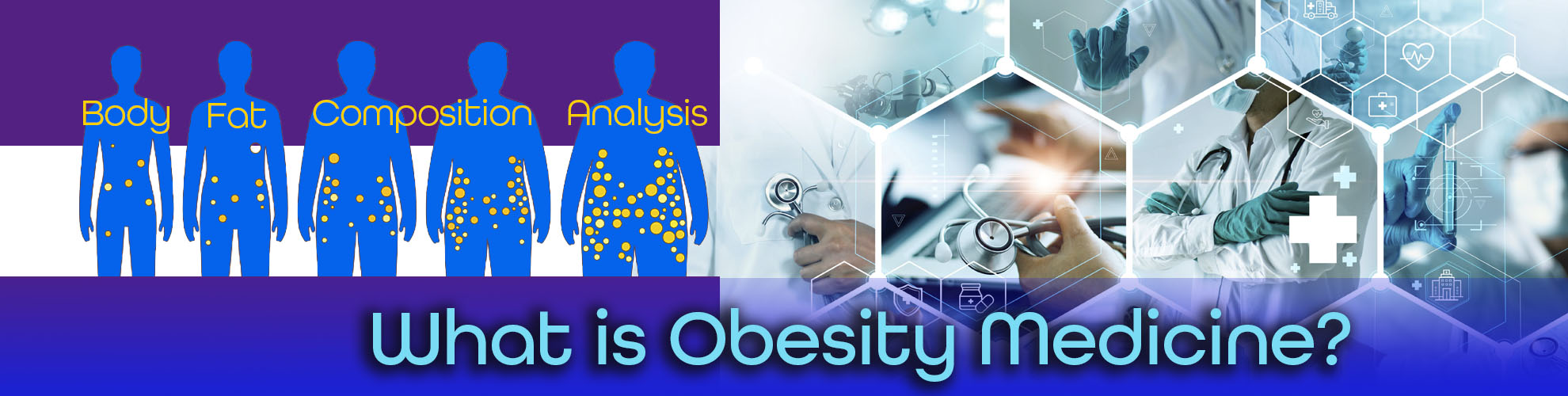
Body composition provides additional information about body fat and lean body mass.
During weight management, monitoring changes in body composition can help provide a more complete picture of progress than scale weight alone.
Dr. Amir incorporates body composition assessment into the practice’s approach to weight management, helping guide recommendations that consider fat reduction and lean muscle preservation.
Long-Term Weight Management
Obesity management is not limited to an initial period of weight loss. Long-term care may involve continued monitoring, nutritional guidance, lifestyle adjustments, and maintenance planning.
The focus is on building sustainable habits and supporting ongoing health goals.
Our Approach to Obesity Medicine
At Dr. Amir’s Weight Loss & Metabolism Center, treatment recommendations are individualized. Depending on medical needs and eligibility, care may incorporate several complementary approaches.
1. Comprehensive Medical Evaluation
The first step is understanding your medical and weight history.
Dr. Amir reviews relevant health information, previous weight-loss attempts, current medications, lifestyle factors, and personal goals.
Depending on individual circumstances, the evaluation may include appropriate medical testing and body composition assessment.
This information helps establish a more complete understanding of your health and potential treatment needs.
2. Personalized Nutrition and Dietary Guidance
Nutrition is an important part of obesity management.
Personalized nutritional recommendations may help patients understand their eating patterns, identify dietary barriers, and develop practical habits that support healthier weight management.
Recommendations may address:
- Individual nutritional requirements
- Protein intake and lean muscle preservation
- Balanced food choices
- Meal planning and portion awareness
- Sustainable dietary habits
3. Medically Supervised Meal Replacement Programs
For selected patients, a structured meal replacement program may be incorporated into the overall treatment plan.
These programs can provide a more organized approach to nutritional intake through specially formulated meal replacement products, with medical guidance and follow-up.
Dr. Amir’s practice offers medically supervised meal replacement options that can be adjusted according to individual nutritional needs.
Learn more about our [Medically Supervised Meal Replacement Program].
4. Prescription Medication When Appropriate
Medication may be considered as part of obesity treatment when clinically appropriate.
Depending on medical history, eligibility, and treatment goals, options may include prescription weight-management medications such as semaglutide or tirzepatide.
These medications may influence appetite regulation and metabolic processes. However, they are not appropriate for everyone and require an individual medical evaluation.
Medication decisions should consider potential benefits, risks, contraindications, and ongoing monitoring.
Learn more about [Weight Loss Medication and GLP-1 Treatment].
5. Body Composition Monitoring
Weight alone does not provide a complete understanding of changes in the body.
Body composition analysis can help evaluate body fat and lean body mass, offering additional information during treatment.
This assessment may help guide nutritional recommendations and monitor changes throughout the weight management process.
6. Lifestyle and Behavioral Interventions
Long-term obesity management often involves changes in everyday habits.
Depending on individual needs, recommendations may address physical activity, eating patterns, sleep habits, and other lifestyle factors that can influence weight management.
The goal is to develop realistic strategies that can be maintained over time.
7. Ongoing Medical Follow-Up
Progress and treatment response can change over time.
Regular follow-up appointments allow Dr. Amir to assess progress, review treatment effectiveness, address challenges, and make adjustments when clinically appropriate.
Continued monitoring also helps patients transition from active weight loss toward long-term weight maintenance.
Obesity Medicine and Metabolic Health
Obesity is associated with an increased risk of several health conditions, including type 2 diabetes, high blood pressure, abnormal cholesterol levels, and cardiovascular disease.
However, each person’s health risks are different.
Medical obesity management considers the patient’s broader health profile rather than focusing exclusively on body weight.
Depending on individual circumstances, an evaluation may consider:
- Blood glucose and metabolic health
- Blood pressure and cardiovascular risk factors
- Cholesterol and lipid levels
- Body composition
- Relevant medical conditions
- Medication history
- Lifestyle and nutritional patterns
Identifying relevant health concerns can help inform a personalized treatment approach and support appropriate medical follow-up.
Meet Dr. Rotem Amir – Obesity Medicine Physician in Aventura
Dr. Rotem Amir is a board-certified obesity medicine physician with training at Cleveland Clinic and advanced education in obesity medicine and nutrition through Harvard Medical School and the Weill Cornell Human Nutrition Institute.
Her approach recognizes that obesity is a complex medical condition requiring individualized attention.
At Dr. Amir’s Weight Loss & Metabolism Center, patients receive personalized guidance that considers their medical history, metabolic health, nutritional needs, body composition, and long-term goals.
Rather than relying on a single weight-loss method, Dr. Amir evaluates the available treatment options and develops recommendations according to each patient’s circumstances.
The focus is on medically guided obesity management that considers the whole patient.
Obesity Medicine in Aventura and Telehealth Across Florida
Dr. Amir’s Weight Loss & Metabolism Center provides in-person obesity medicine and medical weight management services in Aventura, Florida.
Telehealth consultations and follow-up services may also be available to eligible patients across Florida, subject to physician licensing, clinical suitability, and service availability.
Virtual care can provide additional convenience for patients who qualify, allowing certain consultations and follow-up appointments to take place remotely.
Whether receiving care in person or through telehealth, treatment recommendations are based on individual medical evaluation.
If you are searching for an obesity medicine physician in Aventura or medical obesity management in Florida, Dr. Amir’s practice can help you explore appropriate treatment options.
Who Should Consider an Obesity Medicine Consultation?
A consultation with an obesity medicine physician may be appropriate for individuals who:
- Have struggled with weight management despite previous efforts.
- Have experienced repeated cycles of weight loss and regain.
- Have obesity-related health concerns.
- Want medical guidance when considering prescription weight-loss medication.
- Need an individualized approach to nutrition and weight management.
- Want to understand their body composition and metabolic health.
- Are interested in medically supervised weight management.
- Want guidance for maintaining weight loss over the long term.
A medical evaluation is necessary to determine whether treatment is appropriate and which options may be suitable.
Frequently Asked Questions About Obesity Medicine
What does an obesity medicine physician do?
An obesity medicine physician evaluates and treats obesity by considering the medical, biological, nutritional, and lifestyle factors that influence body weight. Treatment may include medical assessments, nutrition guidance, lifestyle interventions, prescription medication when appropriate, and ongoing monitoring.
Is obesity considered a medical condition?
Yes. Obesity is recognized as a complex, chronic disease involving multiple biological, genetic, behavioral, and environmental factors. It can be associated with increased health risks and may benefit from individualized medical management.
What is the difference between an obesity medicine doctor and a regular weight loss doctor?
An obesity medicine physician has specialized training and certification in the medical evaluation and treatment of obesity. Their approach considers underlying contributors to weight gain, related health conditions, and evidence-based treatment options rather than focusing only on diet and exercise.
Can obesity medicine include GLP-1 medications?
Yes. GLP-1-based medications, including semaglutide and tirzepatide, may be considered for eligible patients as part of an individualized obesity treatment plan. Medication selection requires physician evaluation and ongoing monitoring.
Does obesity treatment include body composition analysis?
Body composition analysis may be used to evaluate changes in body fat and lean body mass. It can provide additional information about treatment progress beyond changes in total body weight.
Can an obesity medicine physician help with metabolic health?
An obesity medicine physician can evaluate relevant metabolic health factors and identify medical concerns that may be associated with excess weight. Recommendations depend on the patient’s health history, clinical findings, and individual needs.
Is obesity medicine treatment available through telehealth in Florida?
Telehealth services may be available to eligible patients in Florida, subject to physician licensing, clinical suitability, and service availability. Contact the practice to discuss whether virtual care is appropriate for your circumstances.
Is obesity medicine treatment a long-term process?
Obesity is a chronic condition, and long-term management may be important. Treatment plans can evolve over time, moving from active weight management toward ongoing monitoring, lifestyle support, and weight maintenance.
Take the Next Step Toward Personalized Obesity Care
Managing obesity can be challenging, particularly when previous weight-loss attempts have not delivered lasting results.
At Dr. Amir’s Weight Loss & Metabolism Center in Aventura, Florida, the approach begins with understanding your individual health needs and identifying appropriate medical options.
From comprehensive evaluation and body composition analysis to nutrition guidance, medication when clinically appropriate, and long-term follow-up, treatment is designed around the individual.
Contact
Reach out to us with your questions, concerns, or comments.
Visit Our Aventura Clinic
Address:
2875 NE 191st St, Suite 500
Aventura, FL 33180
Phone: (954) 302-8161
Parking: Convenient on-site parking available